ZHD-DQJ01 Steep-Incline Elevator Power Selection Guide: Key Configuration Points for Domestic, South Korean, and Southeast Asian Markets
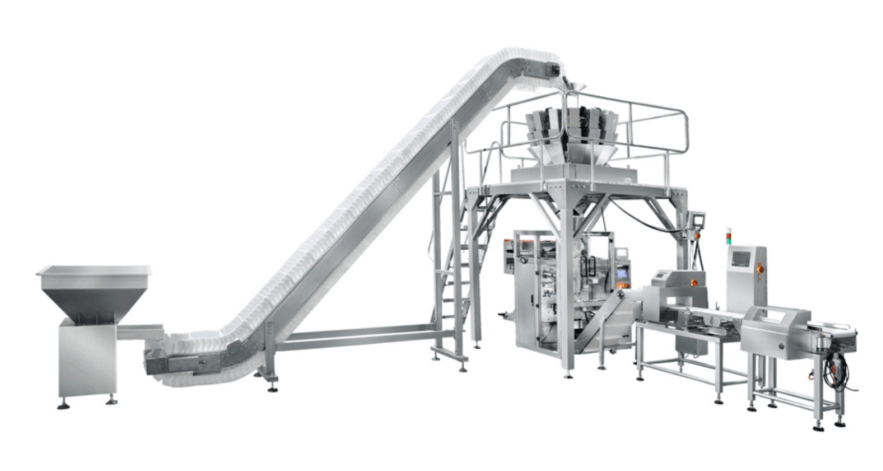
This article outlines power supply configuration requirements for the ZHD-DQJ01 steep-incline hoist across different markets: China (three-phase 380V, 50Hz), South Korea (three-phase 220V, 60Hz), Vietnam/Thailand/Malaysia (three-phase 380V, 50Hz), and the Philippines (three-phase 480V, 60Hz). It also explains how voltage and frequency variations affect motor, variable frequency drive (VFD), and cable specifications, as well as the applicable limits for single-phase power supply.
In automated food production lines, vertical conveying from the floor to the packaging stage is a critical step. Belt elevators handle the transfer of bulk materials, powders, or finished goods from low-level areas to high-level silos, weigh hopper stations, or AS/RS interfaces. Equipment selection accuracy directly impacts line continuity and maintenance costs, yet power configuration is often overlooked during selection while incurring the highest costs at delivery.
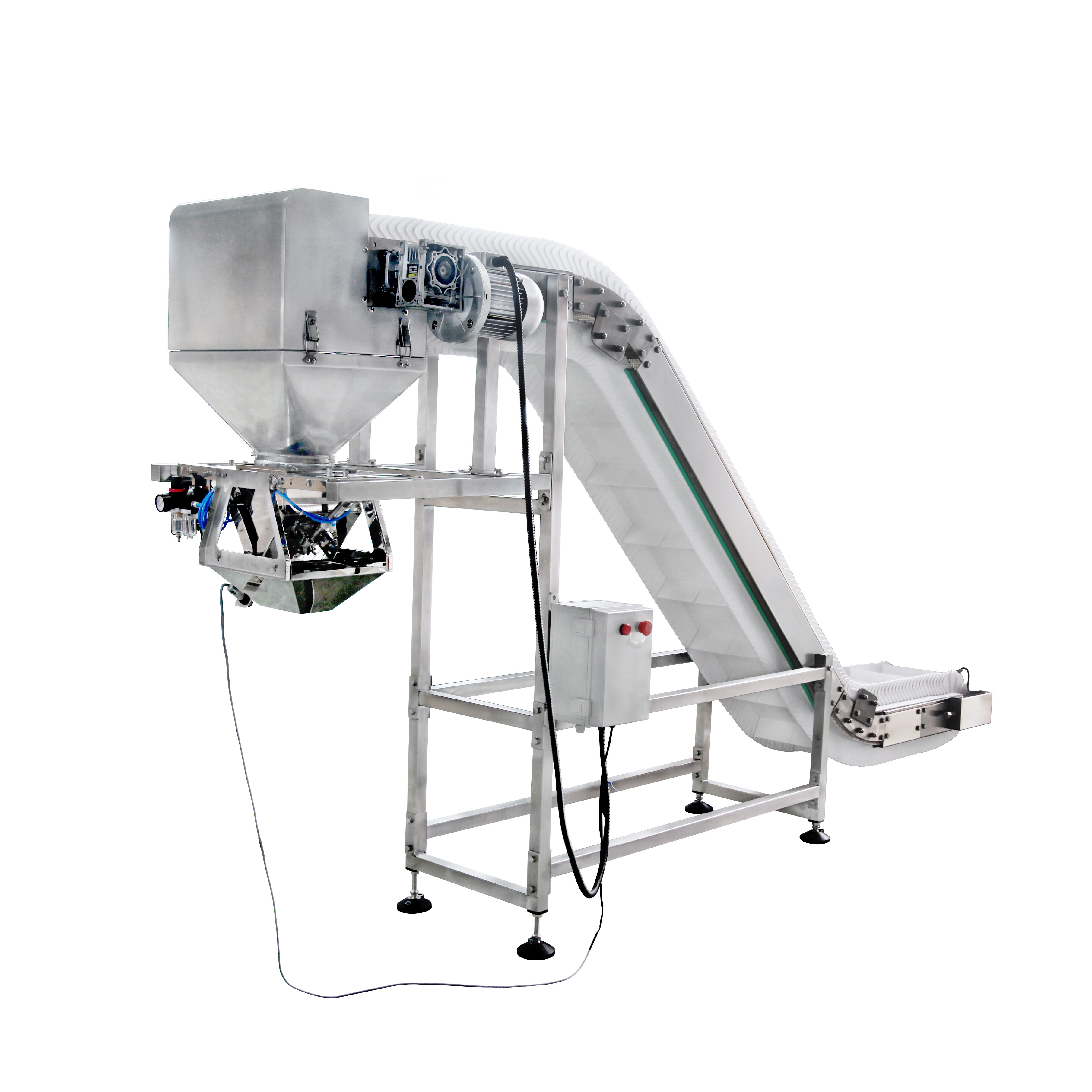
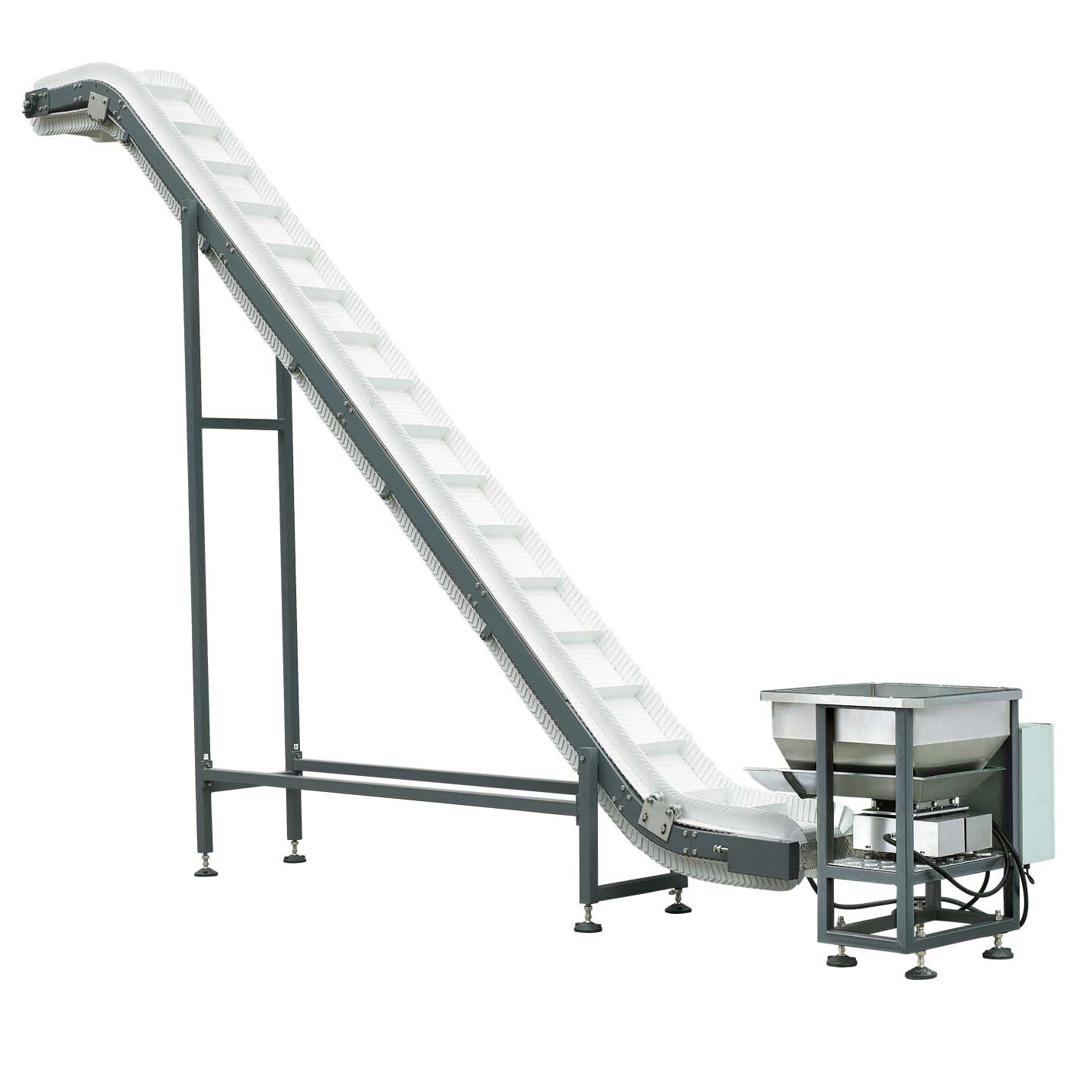
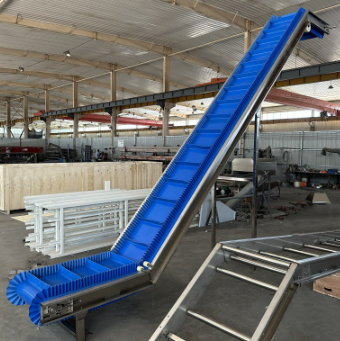
ZHD-DQJ01 Inclined HoistTypical use cases
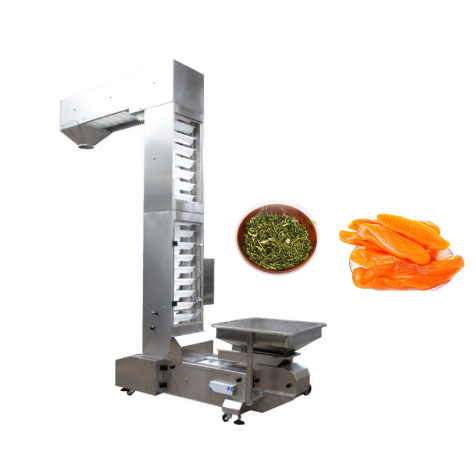
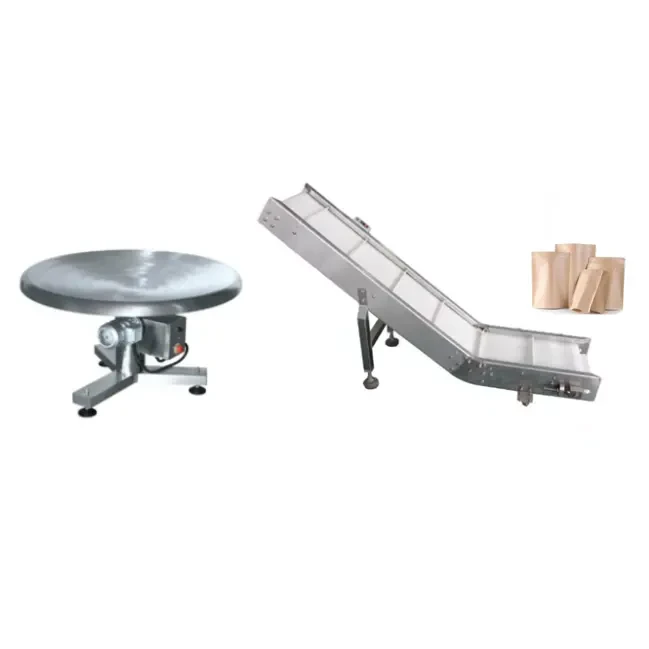
ZHD-DQJ01 is a high-inclination conveying device designed by Zhonghengda for food industry material handling, with core applications covering three operational scenarios.
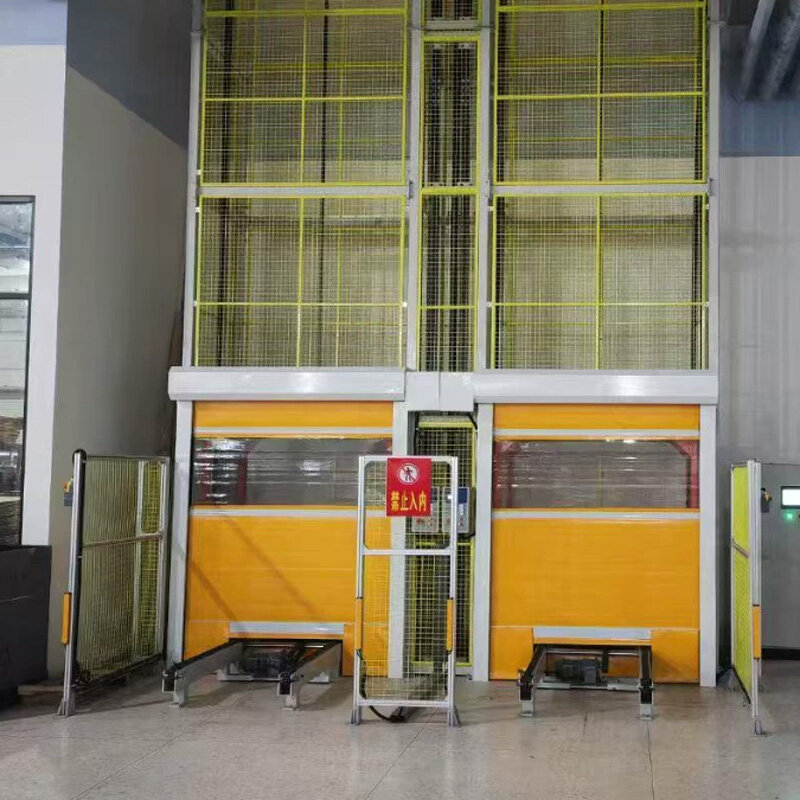
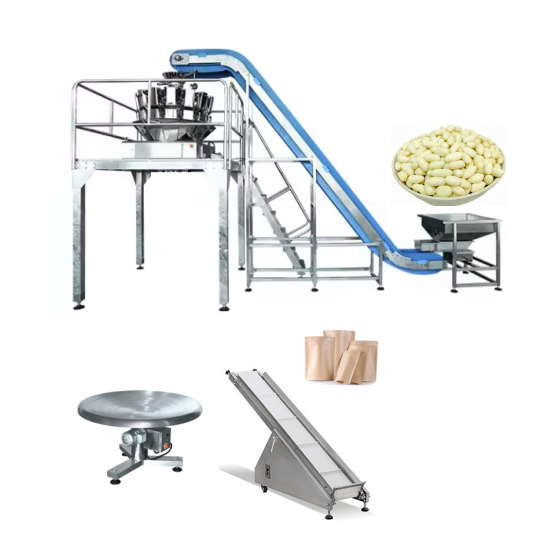
In the feeding stage, the equipment lifts granular, powdered, or sheet materials from ground-level storage to the feed hoppers of combiners, linear weighers, or vertical form-fill-seal machines. With an incline angle ranging from 60° to 90°, it features a compact footprint and streamlined transport path. For powder conveying applications involving fine materials like flour, starch, and seasonings, strict sealing and dust containment are required. The ZHD-DQJ01 model utilizes a fully enclosed hopper design paired with 304 stainless steel contact surfaces to meet food-grade certification standards. As part of automated warehouse systems, this unit serves as the vertical interface for AS/RS operations, seamlessly integrating with conveyors, AGVs, or shuttles to complete the final step of finished goods warehousing.
These three scenarios share a common characteristic: significant load fluctuations, frequent start-stop cycles, and the requirement for stable equipment operation under heavy loads. The rationality of power configuration directly determines motor output capacity, cable specifications, and system control compatibility.
Domestic Site: Prefer 3-phase 380V 50Hz
The standard industrial power supply in China is 3-phase 380V and 50Hz, which represents the typical on-site conditions for most food factories. When delivering the ZHD-DQJ01 within China, it defaults to a 3-phase 380V motor for three reasons.
First, at the same power rating, the rated current for three-phase 380V is approximately 73% lower than that for three-phase 220V. For example, a 2.2kW motor draws about 4.9A at 380V and about 8.5A at 220V. Lower current reduces cable cross-section requirements and minimizes line losses. Second, standard input voltage for domestic electrical components such as variable frequency drives, circuit breakers, and contactors is three-phase 380V, ensuring high compatibility for procurement and maintenance. Third, factory distribution panels are typically designed for three-phase 380V, allowing direct equipment connection without additional transformers and reducing on-site retrofit costs.
Three-phase 380V is the standard configuration for domestic projects, unless on-site power constraints (e.g., single-phase supply only in older facilities) apply.
Export to South Korea: Compatibility logic for 3-phase 220V 60Hz
South Korea's industrial power supply standard is three-phase 220V at 60Hz. Exporting equipment to South Korea requires compatibility with the local grid; this involves not only voltage levels but also the impact of frequency differences on motor speed and variable frequency drive (VFD) parameter settings.
The ZHD-DQJ01 model for the Korean market is equipped with a three-phase 220V, 60Hz motor and inverter to ensure seamless operation when connected to local power distribution systems at Korean factories. Please note that three-phase 220V systems draw significantly higher current than 380V systems at the same power level. For a 2.2kW motor, the rated current is approximately 8.5A at 220V, which is 1.7 times higher than the 380V configuration. This means:
The cable size must be increased by one rating. For the domestic 380V solution, a 1.5mm² copper-core cable meets current-carrying requirements; for the 220V solution, upgrade to 4mm² or even 6mm², and voltage drop must be calculated for long-distance runs. Regarding variable frequency drive (VFD) compatibility: the input side requires a three-phase VFD rated for 220V, while the output drives a 220V motor. VFD parameters (e.g., carrier frequency, acceleration/deceleration times) must be recalibrated based on a 60Hz base frequency; do not directly apply default settings from 50Hz systems.
In Zhonghengda's projects exported to Korea, the complete electrical system (motor, inverter, circuit breaker, terminal blocks) is configured according to 220V 60Hz standards. Power-on testing is completed before shipment, allowing immediate operation upon connection to local Korean power sources.
Southeast Asia Sourcing: Differences Among Vietnam, Thailand, Malaysia, and the Philippines
Industrial power standards vary across Southeast Asian countries; export specifications must be verified per country.
Industrial power in Vietnam, Thailand, and Malaysia is three-phase 380V, 50Hz, matching domestic standards. For the ZHD-DQJ01 exported to these countries, the electrical configuration remains identical to the domestic version. No adjustments are needed for motors, variable frequency drives, or cable specifications, ensuring seamless on-site installation.
Philippines' industrial power standard is three-phase 480V, 60Hz, sharing the same 60Hz frequency as Korea but with a different voltage level. At 480V, lower current is required for the same power compared to 380V, allowing for smaller cable specifications; however, inverters and motors must match 480V 60Hz input, and motor windings must be designed to suit speed and torque characteristics at the 60Hz base frequency. The Philippines solution differs from Korea's 220V solution in voltage, current, and cable specifications and cannot be used interchangeably. Clearly distinguish between them during procurement.
In short: Vietnam, Thailand, and Malaysia follow domestic standards; South Korea is configured for three-phase 220V 60Hz; the Philippines is configured for three-phase 480V 60Hz. These three electrical configurations are not interchangeable.
Technical Alert: Single-phase 220V is not suitable for heavy-load operations on steep slopes.
Some purchasers ask if single-phase 220V power can be used to simplify on-site distribution. For high-incline, heavy-load lifting equipment like the ZHD-DQJ01, we do not recommend a single-phase 220V solution.
This is because steep-angle lifting requires the motor to start frequently under full load and switch between forward and reverse rotation, demanding high starting torque. Single-phase motors rely on capacitors or centrifugal switches for starting, which cannot meet the frequent forward/reverse switching requirements. Long-term operation can lead to starting difficulties, overheating protection trips, or even motor burnout. In contrast, three-phase motors naturally support forward/reverse switching via their rotating magnetic field; simply swapping any two phases achieves this, offering fast response and smooth torque output.
Single-phase 220V is suitable only for low-power transmission in light-load, single-direction continuous operation scenarios and is not appropriate for the typical operating conditions of steep-incline conveyors.
Integrated capabilities: Electric control integration and complete machine export
Zhonghengda provides comprehensive support services for the ZHD-DQJ01. For electrical control, the equipment can be paired with a dedicated control cabinet integrating a PLC, variable frequency drive, and touch-screen HMI to enable coordinated control with upstream multihead weighers, packaging machines, and downstream conveyor lines. Regarding system integration, the equipment supports connection to customers' WCS (Warehouse Control System) or WMS (Warehouse Management System) via standard communication protocols such as Modbus TCP and Profinet, enabling digital scheduling of material handling.
For export delivery, the ZHD-DQJ01 is configured and factory-tested to meet target country power standards. It supports full-unit packaging for export to Southeast Asian markets including South Korea, Vietnam, Thailand, Malaysia, and the Philippines. Upon arrival at your facility, it can be connected to local power and immediately put into production.
For selection consultation, call 15507632375 or visit the Zhonghengda official website to get a power configuration plan tailored to your specific project.
FAQ Frequently Asked Questions
Q1:ZHD-DQJ01 Inclined HoistWhat scenarios is this suitable for?
A: Primarily designed for three scenarios: food feeding (elevating materials to combiners and packaging machine inlets), powder conveying (enclosed vertical transport of fine powders such as flour and starch), and automated storage system integration (vertical interface units for AS/RS).
Q2: Which power specification should I choose for use in China?
A: For domestic on-site deployment, prioritize three-phase 380V 50Hz. At the same power rating, this configuration delivers lower current, allows for smaller cable gauges, ensures high compatibility of electrical components, and eliminates the need for an additional transformer by connecting directly to standard factory power distribution systems.
Q3: What are the differences in power configurations for equipment exported to South Korea?
South Korea's industrial power supply standard is three-phase 220V, 60Hz. Equipment must match this voltage and frequency; motors, variable frequency drives (VFDs), and cables must be configured for 220V, 60Hz. At the same power rating, current is approximately 73% higher than at 380V, requiring a larger cable gauge. VFD parameters must be recalibrated based on a 60Hz base frequency.
Q4: Do power configurations vary across Southeast Asian countries?
Different. Vietnam, Thailand, and Malaysia use 3-phase 380V 50Hz, matching domestic standards; the Philippines uses 3-phase 480V 60Hz, with different voltage and frequency. The three options are not interchangeable—specify the destination country during procurement.
Q5: Can it operate on single-phase 220V power?
Not recommended. Steep-incline heavy-duty lifting requires frequent starts and forward/reverse switching; single-phase motors cannot meet these demands, leading to potential starting difficulties and overheating risks during prolonged operation. Three-phase 220V or 380V systems are a more reliable choice.
Q6: Do you provide compatible electronic control systems and system integration?
Yes. We provide integrated control cabinets (including PLC, VFD, and HMI) that support communication protocols such as Modbus TCP and Profinet for WCS/WMS integration. Equipment can be exported fully packaged to South Korea and Southeast Asia markets, compliant with local power standards.
Photo Gallery
keywords
Reviews (0)
Post a comment
FAQ
FAQ
Ideal for three scenarios: food loading (elevating materials to combination weighers and packaging machine inlets), powder conveying (closed vertical transport of fine powders like flour and starch), and automated storage system integration (vertical docking units for AS/RS).
Can't find a solution to your question?
Welcome to leave your questions. Our professional engineers will provide you with one-on-one support.