Fully Automated Packaging Equipment: Smart Solutions for Cost Reduction, Efficiency Gains, Quality Improvement, and Compliance in Manufacturing
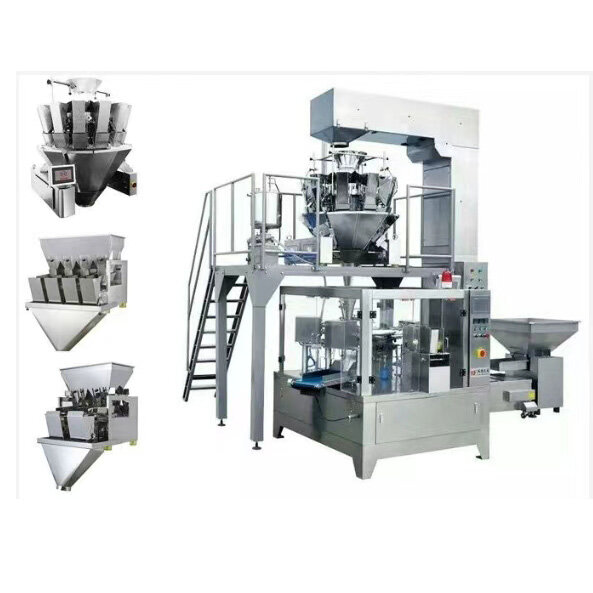
Traditional manual packaging suffers from low efficiency, high error rates, material waste, inconsistent quality control, and rising labor costs—a common pain point for manufacturers in food, pharmaceuticals, personal care, and electronics. High-performance fully automated packaging systems leverage intelligent automation to enable end-to-end unmanned operations, helping factories significantly boost productivity, ensure strict quality standards, and achieve long-term cost savings. This is the ideal solution for small and medium-sized enterprises seeking digital transformation and scalable production.
1. Manufacturing Packaging Pain Points: Why Automation Equipment Replacement Is Essential
Industrial 4.0 smart manufacturing is now ubiquitous, making scaled, standardized, and compliant production an industry necessity. Most manufacturers still rely on manual or semi-automated packaging, facing five core challenges: limited manual throughput that cannot meet mass production demands; significant measurement errors and material waste from manual weighing; inconsistent sealing, labeling, and boxing quality leading to high defect rates; rising labor, management, and training costs; and inability to meet cleanroom and traceability compliance requirements in food and pharmaceutical sectors.
Traditional packaging models can no longer keep up with the production pace of modern factories. AndFully Automatic Packaging EquipmentWith fully automated, intelligent, and digitalized workflows, it offers a one-stop solution to all manual packaging challenges. Designed for diverse industries and product categories, it is the essential equipment driving quality improvement, cost reduction, and capacity upgrades in manufacturing.
II. Precise Definition of Fully Automatic Packaging Equipment
Fully automated packaging equipment integrates mechatronics, intelligent sensing, PLC control, visual inspection, and IoT operations into a single smart system capable of performing complete tasks independently.Automated metering, filling, sealing, labeling, coding, packing, shrink-wrapping, and vacuum sealingComplete packaging process. Fully unmanned operation with minimal human intervention, perfectly suited for continuous production lines. Eliminates issues such as specification deviations, missed seals, contamination, and low efficiency caused by manual handling. Compatible with small, medium, and large-scale manufacturing facilities.
3. Classification of Fully Automatic Packaging Equipment | Adaptable to Multi-Industry Production Across All Scenarios
Comprehensive range of equipment with high versatility, precisely matched to packaging formats, industry scenarios, and product forms. Supports powders, granules, liquids, pastes, and solid finished goods, enabling both standardized mass production and flexible customization.
1, by packaging type
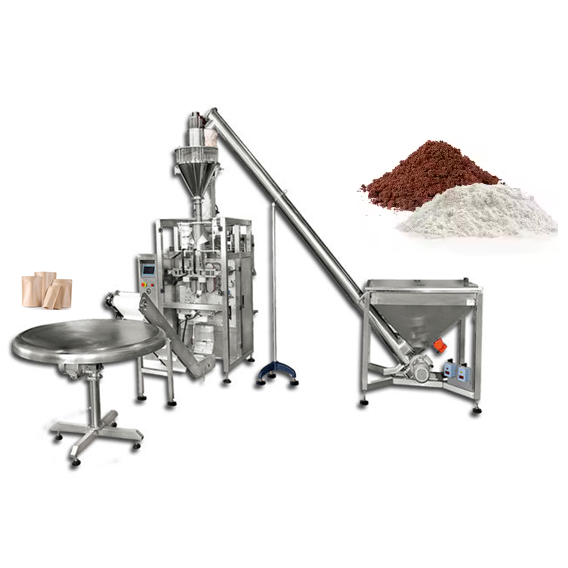
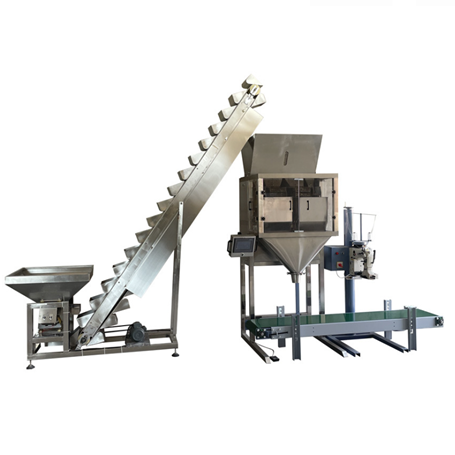
Bag Packaging EquipmentAdaptable to granules, powders, liquids, pastes, and dry goods; widely used for automated bag packaging of snacks, seasonings, agricultural products, and bulk materials with quick changeover for multiple bag sizes.
Box Packaging EquipmentFeatures fully automated forming, loading, sealing, and coding in one integrated process. Ideal for neatly packaged products such as snacks, Chinese and Western medicines, small digital electronics accessories, and daily necessities.
Bottle and Jar Packaging EquipmentAchieves fully automated filling, capping, sealing, labeling, and coding. Compatible with bottled and canned products in beverages, daily care & hygiene, condiments, and pharmaceuticals.
Shrink Wrap EquipmentFeatures heat-shrink film wrapping for a smooth, tight finish. Ideal for complete packaging of gift sets, hardware accessories, daily household items, and digital product kits.
Vacuum Packaging EquipmentRapid vacuum sealing to block air, prevent moisture and spoilage, and effectively extend product shelf life. Ideal for preserving fresh meats, cooked foods, dried goods, and agricultural products.
2 by Core Application Industries
Food IndustryAdapts to all food categories including cookies, candies, pastries, ready-to-eat meals, frozen foods, and dried agricultural products. Features enclosed cleanroom operation meeting food safety production standards.
Pharmaceutical IndustryCovers blister packaging, cartoning, bottle sealing, and IV bag packaging to meet the pharmaceutical industry's stringent requirements for clean production, uniform specifications, and end-to-end traceability.
Consumer Goods IndustryAdaptable to fluid and paste household products such as shampoo, body wash, toothpaste, and skincare items; delivers integrated automated operations for filling, labeling, boxing, and coding.
Electronics IndustryDedicated anti-static and dust-proof packaging equipment for standardized sealing of small electronic components, digital accessories, and precision parts. Prevents electrostatic damage and dust contamination.
4. Core Technical Advantages: The Hard Power That Sets Us Apart from Standard Semi-Automatic Equipment
Compared to traditional manual and semi-automatic packaging equipment, the new generation of fully automatic packaging machines features core intelligent technologies that deliver comprehensive upgrades in precision, efficiency, stability, and adaptability—fully meeting the demands of large-scale mass production and refined quality control.
1: Ultra-high precision measurement to strictly control material wasteEquipped with an intelligent weighing and volumetric dual-metrology system for precise calibration. Packaging measurement error is controlled within ±0.1%, eliminating manual weighing deviations, material waste, and inconsistent product specifications while significantly reducing raw material loss costs.
2: Smart touch controls for quick, easy setup with zero prior experienceEquipped with a mature PLC programmable control system and a high-definition touchscreen HMI. Stores multiple product parameter sets for instant category switching without complex debugging. One-touch mode change reduces training costs, enabling new operators to work independently quickly.
3: Visual intelligent quality control to reduce defect ratesEquipped with a high-definition visual inspection system that automatically detects product placement and packaging integrity. It precisely identifies defects such as missing seals, misaligned seals, missing components, label misalignment, and blurred inkjet printing. Defective products are automatically rejected to ensure finished product quality at the source and reduce after-sales losses.
4 Modular flexible design: one machine, multiple uses for greater savingsFeatures a detachable modular design that allows rapid adjustment of accessories and operating parameters to match product dimensions and packaging specifications. Supports production across multiple categories and sizes without requiring frequent equipment replacement, significantly boosting utilization rates.
5: IoT intelligent operations and maintenance, full production process under control: Supports real-time production data upload, remote monitoring, and fault alerts. View capacity metrics, equipment status, and fault details anytime to enable predictive maintenance, minimize unplanned downtime, and ensure 24-hour stable line operation.
5. Core Value for Enterprise Deployment: Visible Cost Reduction, Quality Improvement, and Efficiency Gains
With rising labor costs and stricter industry compliance standards, upgrading to fully automated packaging equipment is no longer optional—it's essential for manufacturers to protect margins and boost competitiveness.
1: Double your capacity and break through labor bottlenecksThe device supports 24 hours of continuous, uninterrupted automated operation. With a packaging efficiency 5 to 10 times higher than manual labor, high-speed models meet the demands of frequent, high-volume orders—eliminating capacity bottlenecks and delivery delays during peak seasons.
2: Long-term cost reduction, significantly cutting operational expensesOne-time equipment investment replaces numerous packaging labor roles long-term, significantly reducing expenses for wages, training, management, and material waste. ROI achieved in 1-2 years, with substantially lower overall production costs over the long term.
3 Standardize finished products to enhance brand qualityFull mechanical standardized operation eliminates issues such as loose or uneven sealing, misaligned labels, and inconsistent specifications. This ensures uniform, professional packaging for bulk products, significantly enhancing product appearance and strengthening competitiveness at the retail level.
4 — Clean, enclosed operation meeting industry compliance standardsFully enclosed production minimizes contact between materials, personnel, and the external environment to prevent dust, contamination, and microbial growth. Fully compliant with high-cleanliness and regulatory standards for food and pharmaceutical manufacturing, it helps enterprises pass industry audits.
5 Production data is fully traceable, helping enterprises achieve certificationAutomatically records production capacity data, packaging parameters, and equipment operation logs. Ensures complete, traceable data to meet GMP and other industry-standard compliance requirements, helping enterprises successfully pass accreditation and factory audits.
6. 2026 Industry Trends: Smart, Flexible, and Green Upgrades
With the rise of smart manufacturing, green production, and personalized customization, fully automatic packaging equipment continues to evolve, moving beyond traditional mass-production models towardHighly intelligent, highly flexible, low energy consumption, and digitalDirectional development precisely tailored to current demands for low-volume, multi-SKU, and customized production. The implementation of technologies such as AI-driven autonomous parameter optimization, eco-friendly biodegradable material compatibility, human-machine collaborative operations, and digital twin-based remote maintenance makes packaging lines smarter, more effortless, and more energy-efficient.
VII. Guide to Avoiding Pitfalls in Enterprise Equipment Selection
Many companies blindly follow trends when purchasing equipment, leading to mismatches with production lines, wasted capacity, poor compatibility, and unreliable after-sales support. With years of experience in the packaging equipment industry, we've distilled 5 core selection criteria to help your business find the perfect machine fit:
1 Prioritize product-specific matching: Select dedicated models based on material forms (powder, granules, liquids, solids) and special requirements such as freshness preservation, anti-static protection, and cleanroom production.
2: Reserve long-term production capacity: Not only meets current demand, but also pre-allocates 3-5 years of upgrade buffer to prevent premature equipment obsolescence and capacity shortages.
3 Factory Readiness: Verify factory space, power supply, and gas parameters in advance to ensure smooth equipment delivery, installation, commissioning, and production launch.
4 Optimize cost-effectiveness: Balance procurement, consumable, and maintenance costs to select equipment that matches your production scale. Avoid overpaying for unnecessary features or compromising with underpowered options.
5: Prioritize vendors with strong after-sales capabilities—choose those with mature technology and comprehensive support systems to ensure one-stop service for installation, commissioning, technical training, troubleshooting, and equipment upgrades.
Get a free custom packaging solution
If you are facingHigh labor costs for packaging, insufficient production capacity, unstable quality control, non-compliance with regulations, and difficulty in equipment selection.issues, wanting to upgrade to an automated packaging production line but unsure which model to choose, how to adapt it to your products, or how to control costs.
We specialize in the R&D and customization of fully automatic packaging equipment for over many years, serving industries including food, pharmaceuticals, consumer goods, electronics, and hardware. We can tailor solutions to yourProduct Type, Daily Capacity, Facility Requirements, Budget RangeComplimentary one-on-one tailored packaging solutions, equipment selection recommendations, capacity calculations, and quotation lists.
Skip the guesswork. Leave a message with your industry and packaging needs to get a tailored solution instantly!
Photo Gallery
keywords
Reviews (0)
Post a comment
FAQ
FAQ
Yes, we offer professional on-site installation and commissioning services, along with free operator training to ensure the equipment runs smoothly.
Can't find a solution to your question?
Welcome to leave your questions. Our professional engineers will provide you with one-on-one support.