5Technical Specifications for 0L Linear Weighing Scale: ZHD-XM02 Parameters and Selection Boundaries for the Large-Hopper Quantitative Scale
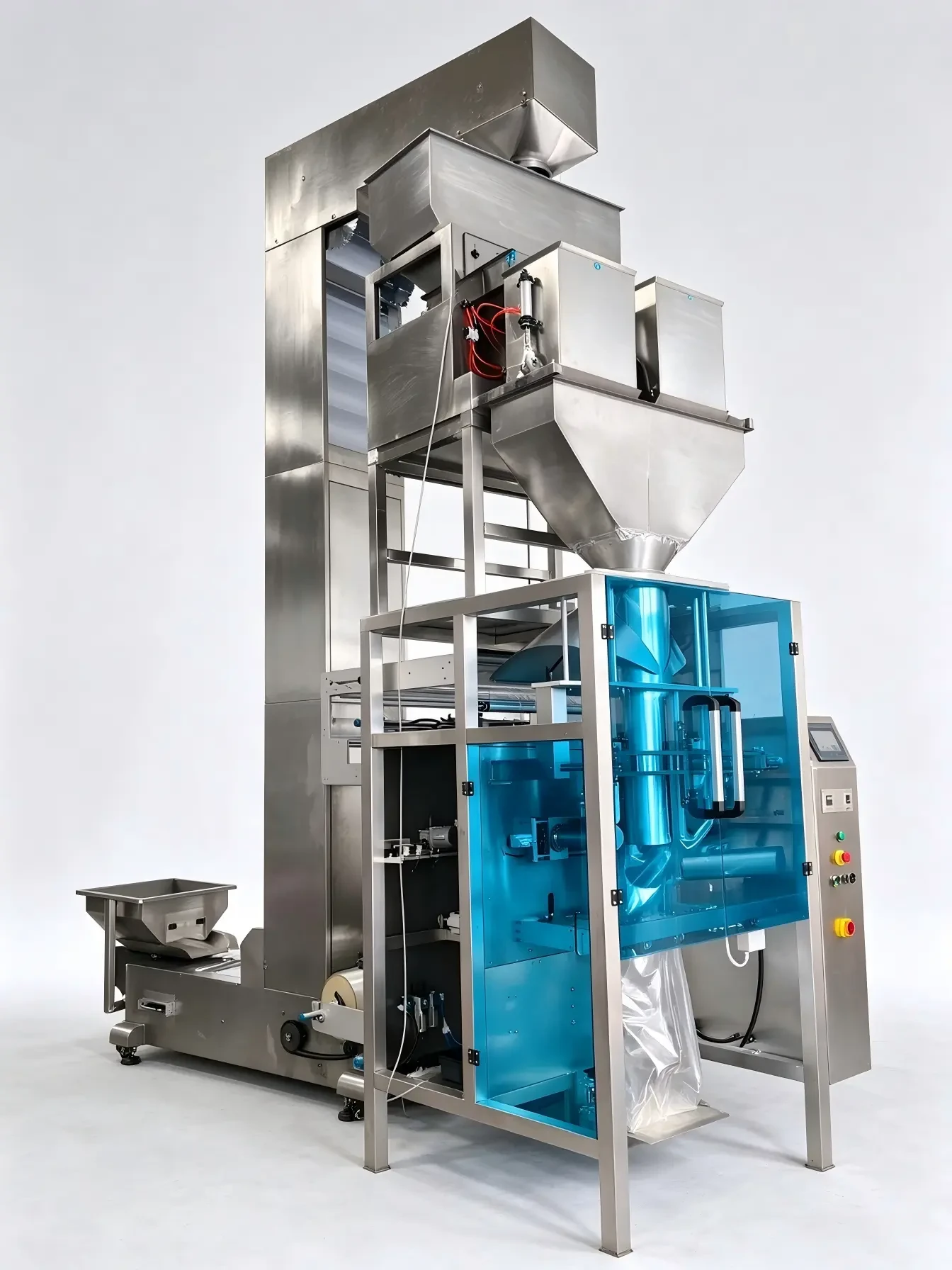
From weighing principles and parameter table interpretation to material boundaries and role differentiation within the same series, this guide explains which materials and single-portion weight ranges the ZHD-XM02 50L large-bucket linear scale is best suited for, as well as the four critical steps to finalize before deployment.
|
|
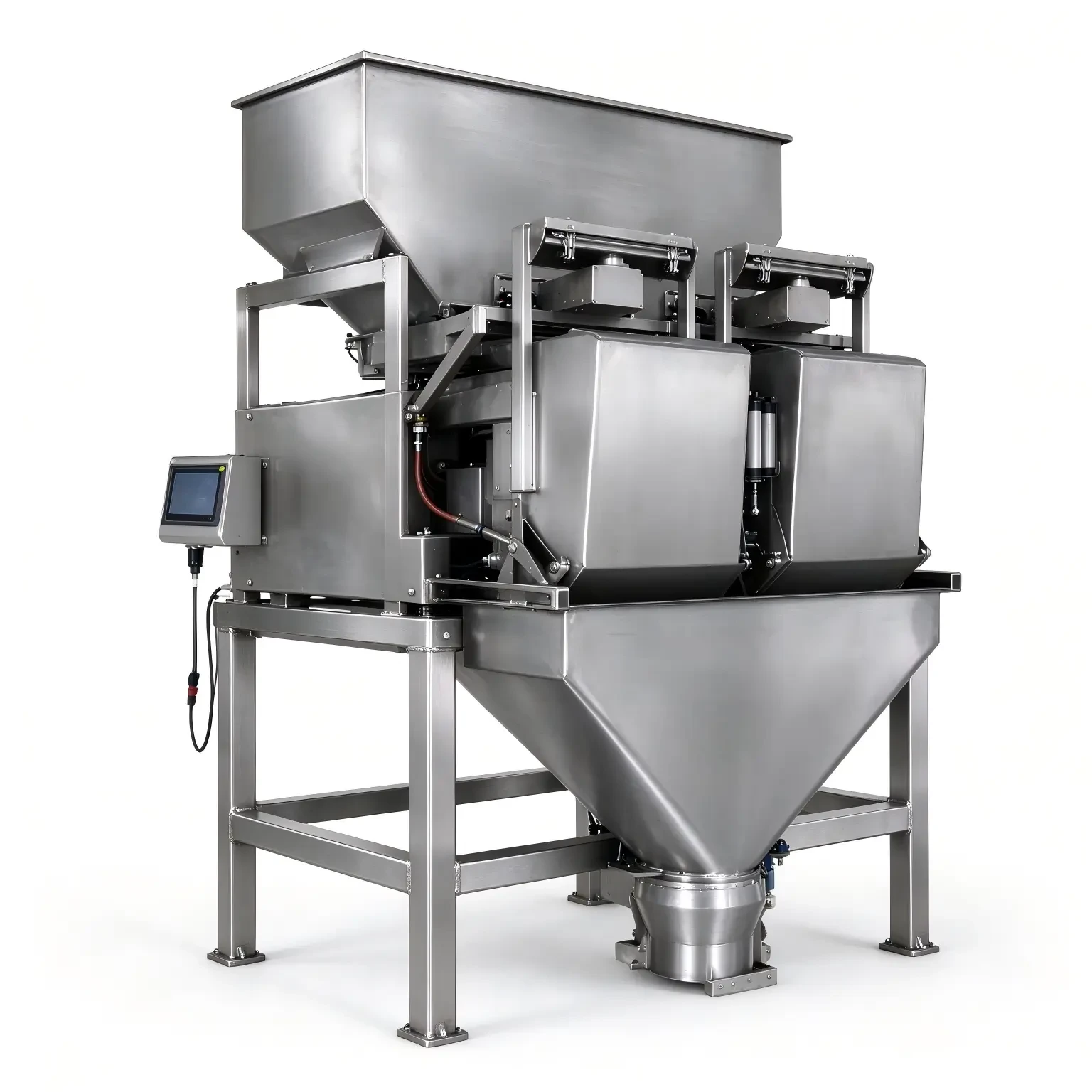
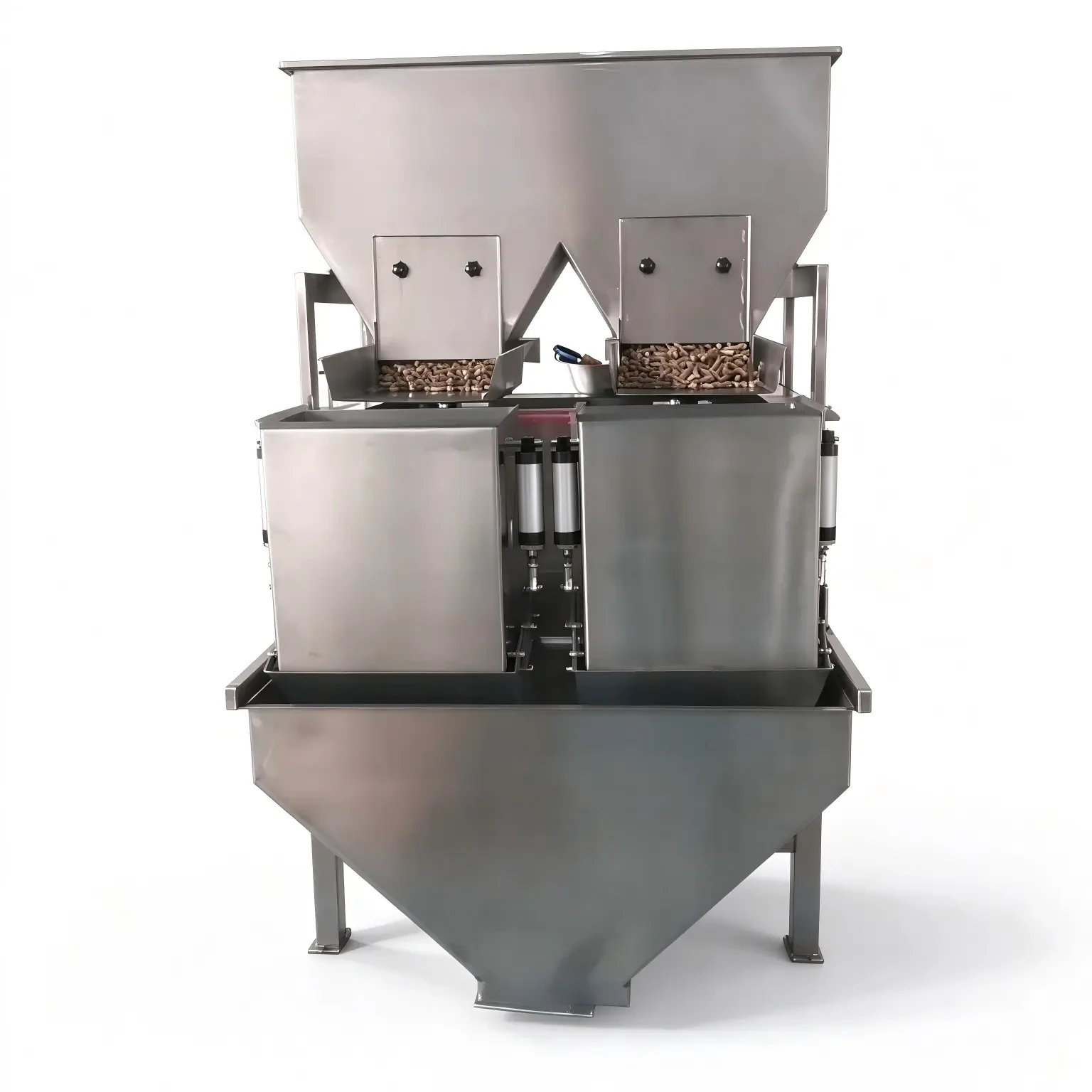
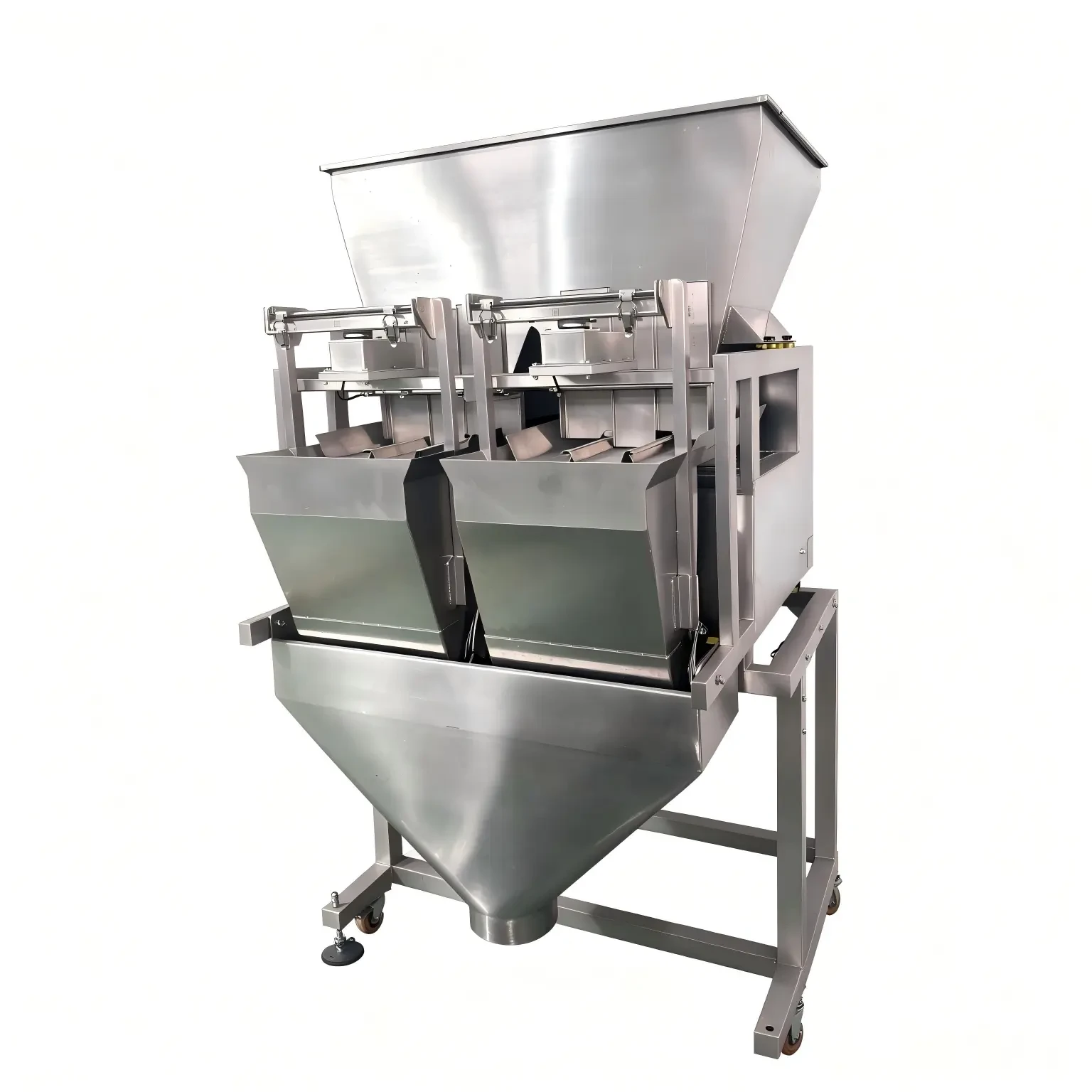
In frozen food and roasted nut packaging lines, the smoothness of a linear weigher isn't determined by the numbers on the display—it's about how often the hopper needs refilling. For high-volume production lines handling portions from hundreds of grams to several kilograms, a small hopper forces frequent manual refills, disrupting the weighing rhythm.Zhonghengda ZHD-XM02The 50L large hopper directly addresses this issue. In short: it's a linear scale with a 50L hopper and two weigh hoppers for precise dosing, designed for granular, flake, and irregular materials—ideal for high single-unit weights and medium-to-low throughput continuous production.
How does it weigh a single ingredient?
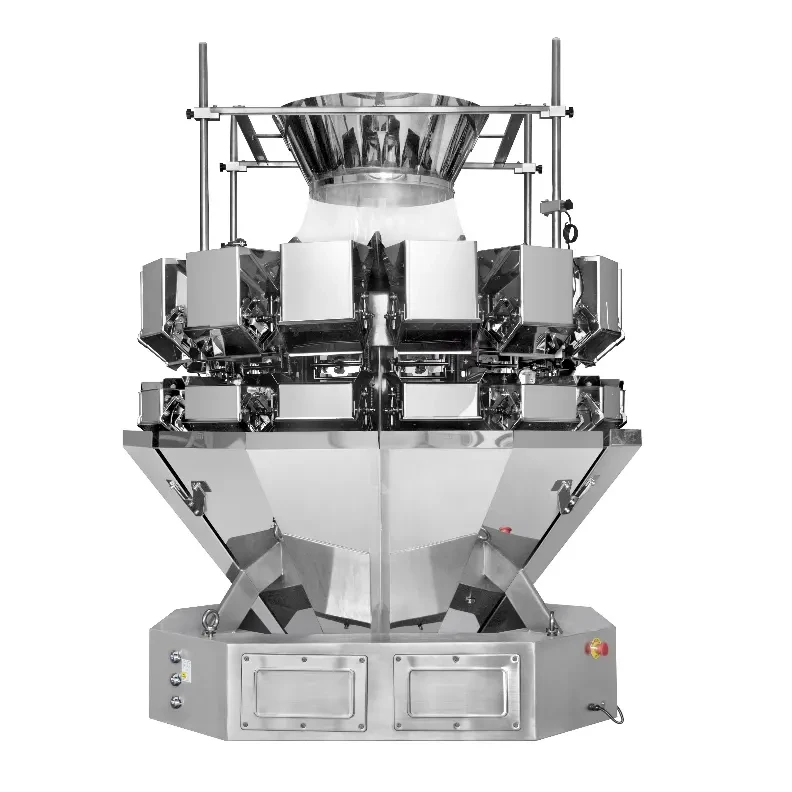
Linear weighers approach the target weight through controlled feeding: material enters the weighing hopper via a vibrating channel. The controller monitors weight during feeding and switches to slow-speed dosing as it nears the setpoint, stopping once the target is reached. Upon receiving a "material needed" signal from the packaging machine, the hopper opens to discharge the product and begins the next cycle. In contrast, multihead weighers distribute material across approximately a dozen hoppers. The controller then selects the combination of hoppers whose total weight most closely matches the target.
A common configuration for the two-hopper linear scale is alternating operation: one hopper weighs while the other discharges, so the packaging machine doesn't need to wait for a full cycle. However, it still operates sequentially, and its maximum speed is limited by the sum of weighing and discharge times per unit. The rated speed for this model is 1–15 packs/min; the actual value within this range depends on product flowability and portion weight, and cannot be estimated based on multihead weigher head counts.
How do you read the parameter table?
Project | ZHD-XM02 |
|---|---|
Structure | Dual Hopper (Two Weighing Hoppers) |
Hopper Capacity | 50L |
Weighing Accuracy | ±1~20g |
Weighing speed | 1–15 packs/min (material dependent) |
Operate Screen | 7-inch touchscreen |
Recipe Storage | 100 Group |
Power Supply | 22V |
Drive Type | Stepper Motor |
Overall Material | 304 Stainless Steel |
Material Compatibility | Granular, flake, and irregular materials |
50L is the hopper capacity, not the weight per bag.Same 50L capacity: may hold 1–2 kg of puffed snacks, but tens of kilograms of screws or plastic pellets. A larger hopper addresses storage capacity and refill frequency. Single-serving weight is determined by material bulk density and the target setpoint. Verify that the target single-serving weight falls within the scale's valid weighing range, not just whether it "fits."
±1~20g is a range, not a fixed value.At low weights, error can be kept within grams; as target weight increases, the absolute error tolerance widens. Weighing accuracy is never determined by equipment alone—material flowability, particle uniformity, drop height, and workshop vibration all play a role. This figure serves as a reference for scale; whether a specific material or bag weight can consistently stay within a given tolerance must be verified through actual trial runs.
1–15 packages/min is also an interval, with the two endpoints inversely related.Larger single-unit weights extend feed and refill times, slowing the cycle. Poor material flow or bridging further delays refilling. The note "determined by material characteristics" reflects this variable relationship: speed values on a quote sheet have limited relevance if viewed without considering the specific material and bag weight.
7-inch screen with 100 recipe groupsSolve changeovers: Sunflower seeds, peanuts, and pistachios have different feed rates, gate openings, and target weights. Load the recipe and go.Adjustable feed rate and gate openingUsed to handle jams and breakage; reduces feed damage at the cost of longer cycle times.304 Stainless Steel, WashableCorresponds to the workshop cleaning process.Stepper motor driver, 220V power supplySuitable for standard power conditions. Operates as a standalone unit or integrates with vertical form-fill-seal machines and bagging systems to create automated weighing and packaging lines.
Which materials can be accepted, and which require separate evaluation?
Our website lists six product categories: snacks (sunflower seeds, peanuts, pistachios, raisins), frozen foods (shrimp, tangyuan), pet food, hardware accessories, plastic granules, and daily chemical granules. Common traits include uniform shapes, controlled weight variance per unit, and relatively low unit prices—allowing for acceptable minor overage losses of a few grams per package.
Conversely, for highly irregular mixed nuts, expensive ingredients requiring strict giveaway control, or high-speed lines producing dozens of packs per minute, a combination weigher is the better choice. This isn't about which technology is more advanced; it's about economic efficiency. Linear weighers offer simple structures, lower upfront costs, and easier cleaning. Combination weighers use algorithms to minimize overfill waste and boost speed, but at a higher initial investment. The real selection criteria are your specific product characteristics and target pack weight: how much does individual pack weight vary, and what is the annual cost of giveaway?
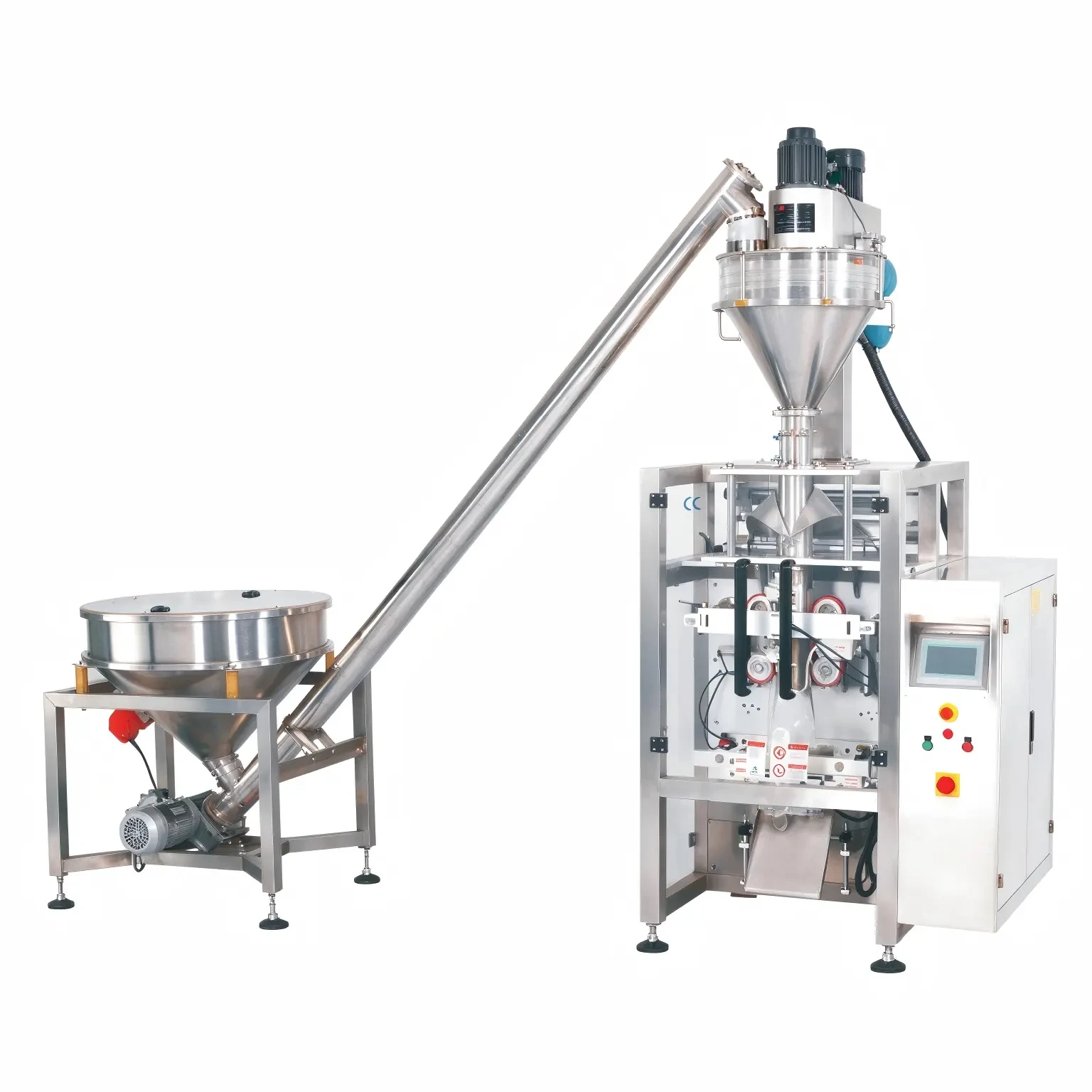
Fine powders require separate evaluation: they are prone to bridging, static buildup, and wall adhesion. Stable feeding depends on material flowability and feeder design.
How are roles divided within the same product line?
Model | weighing hopper | Hopper Capacity | Quantitative Range | Weighing Accuracy | Speed |
|---|---|---|---|---|---|
ZHD-X01 | 1 Dou | 3/5/7.5L | 100–4000g | 1–3g | Up to 15 packages/min |
ZHD-X02 | 2 Dou | 4.5/8L | 20–5000g | ±1~5g | 10–30 packets/minute |
ZHD-XM02 | 2 Dou | 50L | Confirm by material and target weight | ±1~20g | 1–15 packets/minute |
Small hoppers suit small bags, multi-SKU production, and frequent changeovers; 50L large hoppers are ideal for high single-unit weights and continuous production where refilling is difficult. They are not mutually exclusive; it's common to use both on the same line—one at the front end and one at the back.
Define these four things before going live
1. Specify the target weight per bag and allowable tolerance, including both minimum and maximum weights; start trials based on the minimum weight. 2. Define stable production capacity by accounting for film changeover, cleaning, and material replenishment time—do not use short-term peak output as the baseline. 3. Ensure compatibility between material conditions and the packaging machine interface (vertical form-fill-seal or pre-made bag machines), considering bag dimensions and signal timing for material supply, as these affect smooth dual-bucket alternation. 4. Plan for cleaning and product changeovers along with site readiness: verify disassembly/assembly steps, equipment height, feeding methods, and power requirements before signing the contract.
50L Dual-Head Linear Weigher is not a "bigger is better" upgrade. It solves a specific challenge: packaging granular or irregular materials where individual portion weights are large, replenishment frequency is high, and production line speed requirements are medium to low. The specification sheet is just the starting point. Whether material flows smoothly, whether weight fluctuations stay within acceptable limits, and whether the system matches your existing packaging line's cycle time—all of these must be validated through actual sample trials. Zhonghengda, as an original manufacturer of automated weighing and packaging equipment, offers customized solutions and sample testing tailored to your specific materials and production lines.
|
|
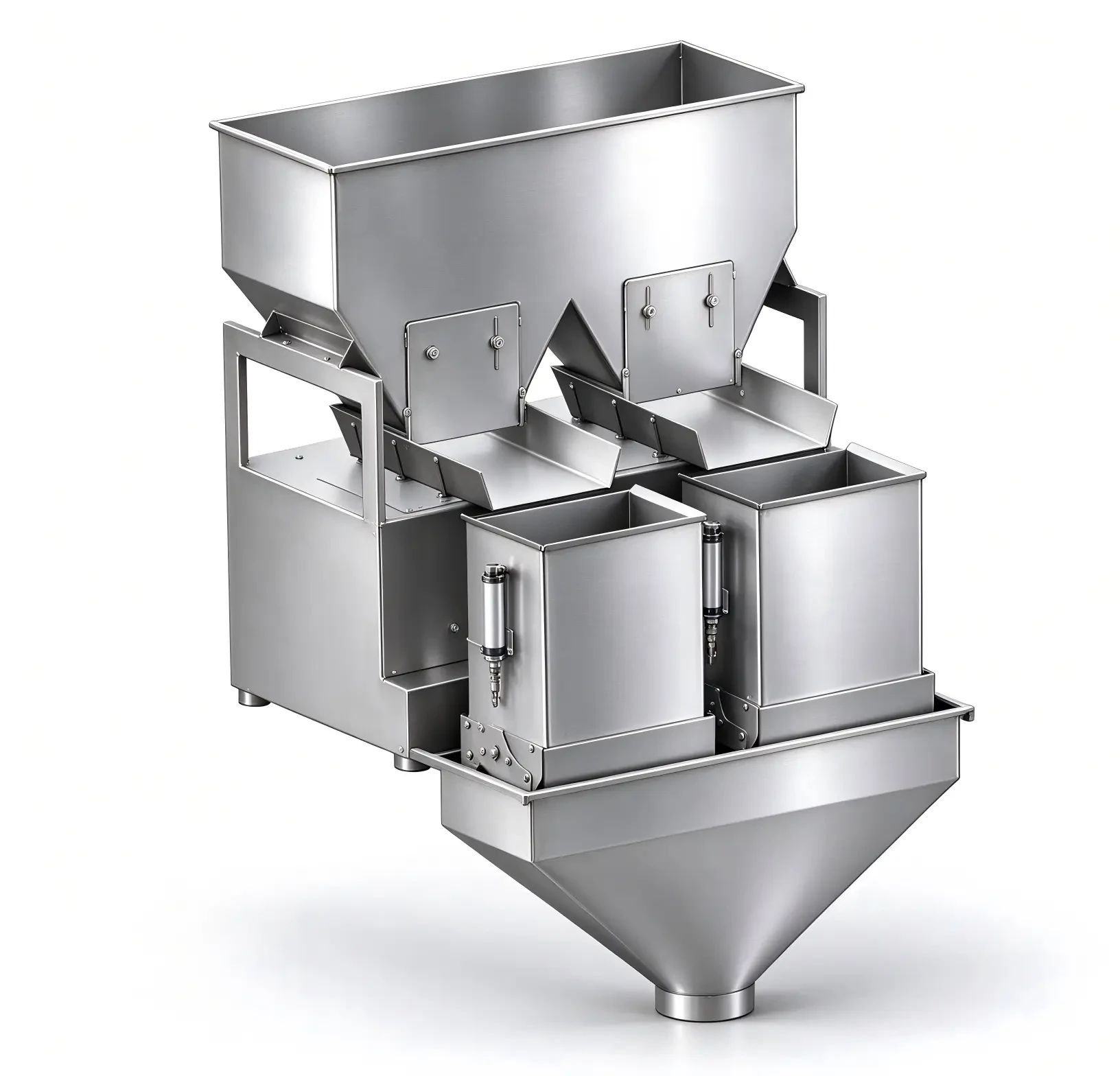
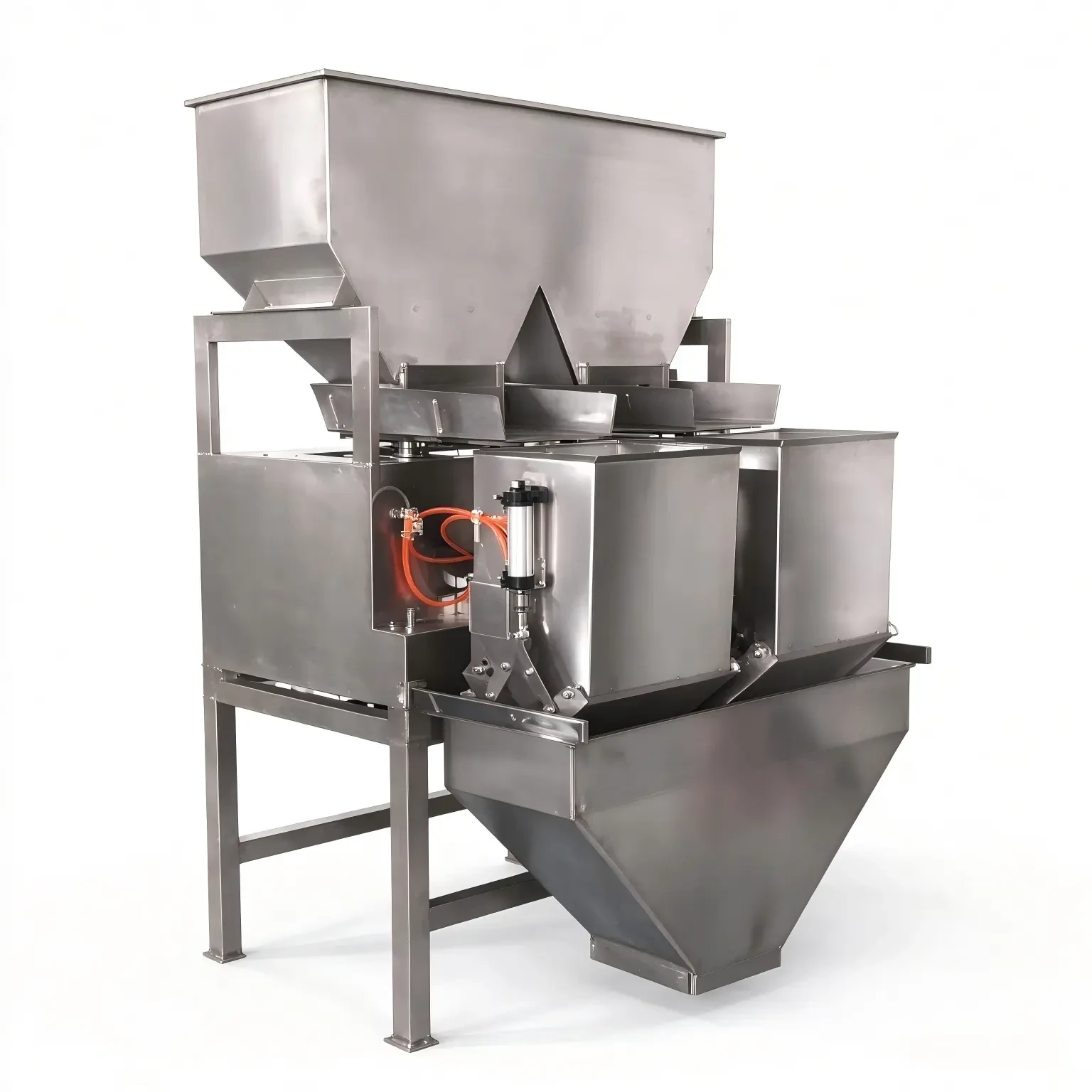
Photo Gallery
keywords
Reviews (0)
Post a comment
FAQ
Related Products